Standing Out in Meta Ads in 2026: The Most Effective Strategies and Practices
A new era in Meta advertising begins. Elevate your brand in the 2026 digital landscape with video storytelling, mobile-first design, and AI-powered tools.
Dec 30, 2025
A New Era in Meta Advertising
Meta platforms like Facebook, Instagram, and Messenger offer a huge potential for brands with millions of users. However, an effective Meta ad campaign requires not just budget, but strategy, testing, and automation.
As we approach 2026, we have compiled the best practices for Meta advertising for brands that want to stand out in the digital world.
1. Minimalism in Ad Copy: Short, Clear, Impactful Ads
In 2026, users no longer spend time on long descriptions; the attention threshold is measured in seconds. Therefore, a minimalist text strategy is prominent in Meta ads. Users' attention span on mobile is only 1.7 seconds. For this reason, your ad copy must be effective not with long sentences, but with clear messages not exceeding 125 characters. Saying much with few words, quickly conveying the message, and creating an emotional impact is now the most valuable skill. Short, clear, and striking ad texts both highlight the visual element and prompt the user to action without tiring them. Sentences free from unnecessary adjectives and describing the direct benefit significantly increase performance. In 2026 ad creatives, texts should:
Describe the benefit of your product rather than its features.
Add strong CTAs (Call to Action) like “Discover Now” or “Try Free.”
Test several versions of the same ad to achieve the highest engagement.

2. Quality and Consistency in Visual Creativity
For Meta ads in 2026, visuals should not only be "eye-catching" but also consistent with the brand identity. Quality is measured by professional aesthetics and technical accuracy; consistency means the brand speaks the same language across every campaign. Every detail, from the color palette to typography, composition to tonality, must form a whole. Users now react not to random designs, but to a trustworthy brand image. Therefore, every visual should be thought of as "a story that tells the brand identity." In short, in 2026, aesthetics draw attention; consistency creates loyalty:
Original illustrations and infographics bring high performance.
UGC (User Generated Content) increases authenticity.
Consistency in color palette, font, and logo strengthens brand awareness.
3. Simplicity in Lead Ads
Meta Lead Ads is a powerful tool for gathering potential customers—but only when user-friendly forms are utilized. So, how should lead ads be structured in 2026?
Avoid unnecessary questions.
Facilitate the user experience with pre-filled fields.
Automatically process data by syncing your CRM.
💡 Tip: With integration tools like LeadsBridge, you can instantly transfer your Facebook or Instagram Lead Ads data to your CRM.
4. Storytelling in Video Ads
Video content still brings the highest engagement. In 2026, video ads are used not just to introduce a product, but to establish an emotional connection with the viewer. Even in short videos, a strong narrative structure captivates the audience in seconds. A well-constructed narrative clearly conveys the problem, solution, and feeling of satisfaction, making the brand memorable. When visual rhythm, sound design, and text flow work in sync, the video is no longer just an ad, but a brand experience. Brands that stand out on Meta make a difference with videos that have a story, are sincere, and are human. For an effective Meta video:
Start with an attention-grabbing beginning in the first 3 seconds.
Center the video around storytelling.
Be sure to include your CTA at the end of the video.
5. Test, Learn, Optimize
A/B tests are now essential for campaigns. By testing only one variable (e.g., headline, CTA, or visual), learn which version provides conversions. Regularly track your KPIs in Meta Ads Manager:
CPM, CTR, CPC, Cost per conversion
Success in Meta advertising relies on a data-driven learning cycle, not intuition. Every campaign is a test area: try different headlines, visuals, and target audiences; measure performance; continuously update your strategy based on the results. In 2026, there is no such thing as a fixed strategy—the winning brands are those that test quickly, learn, and optimize instantly. Remember that small differences (e.g., button color, headline tone, targeting segment) can lead to big results. The principle of test, learn, optimize maximizes not only performance but also budget efficiency.
6. Less Effort, More Results with Advantage+ Automation
Meta's Advantage+ tools automatically optimize your ads through AI-powered automation:
Advantage+ Placement: Automatically determines the most effective placements.
Advantage+ Creative: Optimizes visual and text variations based on user behavior.
Advantage+ Shopping Campaigns: Automatically sets targeting and budget for e-commerce.
This AI-powered system automatically optimizes targeting, budget allocation, and content combinations to achieve the highest conversion rates. The advertiser's advantage in 2026 lies in focusing on strategic management and leaving operational details to the algorithms. Feed the right data, supervise the system, and leave the rest to automation—the results can be surprisingly efficient.
7. Think Mobile-First
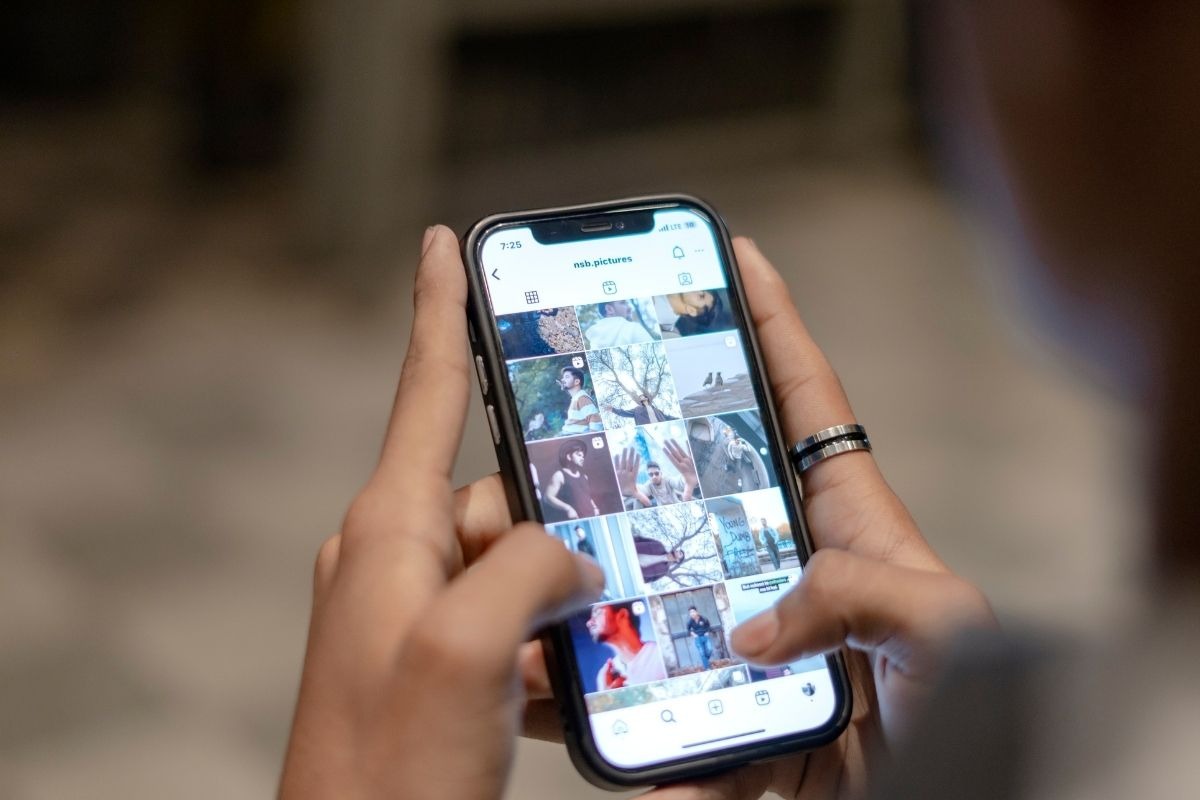
In 2026, 95% of users use social media on mobile devices. This means that vertical formats, fast-loading videos, and mobile-friendly texts are determining factors in performance. Therefore, your ads should be in vertical format (9:16), load quickly, and be textually simple. Every ad not designed for mobile screens loses potential engagement. Successful campaigns in 2026 will be managed by brands that center the mobile experience. Simple, fast, intuitive design—that is the winning formula on mobile.
💡 Tip: "Interactive" formats (e.g., polls, swipe, swipe-up) provide more conversions for mobile users.