The Nuances of Meta and Google Ads Strategies in Performance Marketing
Unlock the power of integrated Meta and Google Ads strategies. Learn how to optimize your marketing funnel, boost ROAS, and master data-driven growth for your brand.
Jan 13, 2026

Digital performance marketing is no longer dominated by a single channel. Success is now achieved through Meta and Google Ads strategies that combine Google’s high-intent search traffic with Meta’s powerful demand generation and visual strength. These two giant platforms play key roles at different stages of the marketing funnel: Google is critical for the last click and conversion, while Meta excels at awareness generation and remarketing.
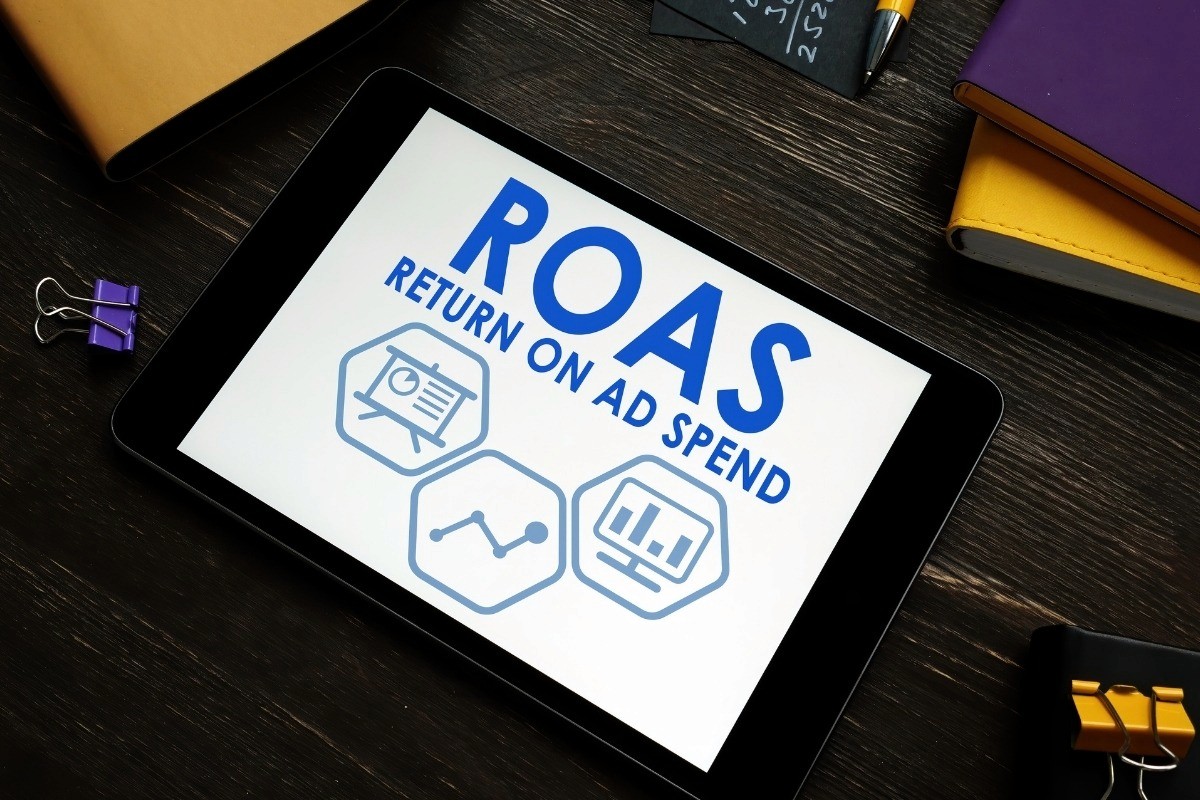
Ensuring that every penny of your advertising spend translates into a measurable return on investment (ROI/ROAS) requires strategic synchronization, rather than managing these two platforms separately.
Completing the Digital Funnel with Two Giants
Effective management of advertising budgets is one of the greatest competitive advantages today. Brands must focus not only on targeting but also on the fundamental building blocks of campaigns to grow their digital presence and increase profitability. At this point, Meta and Google Ads strategies that combine intent-based Google Ads and interest/behavior-based Meta (Facebook & Instagram) ads are vital.
Relying on a single platform means ignoring a significant portion of your potential customer base. Smart Meta and Google Ads strategies connect the customer with a seamless digital journey from the first moment of awareness to the final purchase decision. Our goal is not just to get impressions, but to achieve measurable and profitable conversions.

Meta vs. Google: Different Targeting Logics
Understanding the fundamental difference between these two platforms forms the strategic basis of your budget allocation. This difference also dictates the type of message and creative within your Meta and Google Ads strategies.
Google Ads: Visibility at the Moment of Need (Pull Strategy)
Google Ads (Search Network, Shopping, Performance Max) works with an intent focus. The user is actively seeking a solution to a problem ("best SEO agency," "discounted sports shoes"). Your advertisement on Google immediately responds to a service or product that the user is "pulling" towards. For this reason, Google typically focuses on the Bottom-of-Funnel (BoFu) stage and offers high conversion rates (CVR).
Focus: Keyword matching, search intent, landing page relevance.
Meta Ads: Demand Generation and Discovery (Push Strategy)
Meta (Facebook, Instagram, Messenger), conversely, focuses on behavior and interest. While the user is passively consuming content on social media, your advertisement is "pushed" to them, creating a demand. The customer encounters your brand when they are not actively searching for your product. With this structure, Meta is ideal for Top-of-Funnel (ToFu) and Middle-of-Funnel (MoFu) stages, excelling at awareness, audience building, and remarketing.
Focus: High-engagement creatives, broad targeting, Lookalike audiences.
Combining these two logics—capturing the warm customer with Google and educating/retargeting the cold customer with Meta—is key to successful Meta and Google Ads strategies.
Conversion-Oriented Campaign Design and Structure
Achieving a successful return on ad spend (ROAS) on both platforms is possible by optimizing campaigns for conversion events from the very beginning.
Bidding Strategy and Alignment with Purpose
In Google Ads, if your conversion goal is clear, using the Maximize Conversion Value strategy ensures that algorithms direct the budget toward the most profitable sales. In Meta, the core objective should always be Purchase or Lead. This feeds the algorithm’s learning phase with the correct conversion signals.
Segmenting Campaigns According to Funnel Layers
Effective Meta and Google Ads strategies segment campaigns according to marketing funnel layers:
Top-of-Funnel (Meta/Google Display): Awareness, reaching broad audiences. Low CPC and high Reach are targeted.
Middle-of-Funnel (Remarketing/Video): Those who abandoned carts or visited the website. Custom Audiences are used on Meta, and Remarketing Lists on Google.
Bottom-of-Funnel (Google Search/Shopping): Direct Purchase or Form Submission. High bids and clear keyword targeting are used.
This structure guarantees that the budget is optimally distributed across different intent levels.

Budget Allocation and Spend Control Mechanisms
Budget management is the most critical strategic decision, often based on intuition more than campaign data. Meta and Google Ads strategies require flexible and performance-driven budget distribution.
Rule-Based Automation
Manually managing spending fluctuations during the day or over the weekend is difficult. Using automation rules on both platforms (e.g., pausing an ad set when the ROAS drops below a certain level) reduces human error and increases efficiency. This is especially important for preventing inefficient budget spending during nighttime hours.
Limiting and Expanding Mechanisms
In Google: Spending is controlled with Budget Caps and Shared Budgets. In Performance Max (PMax) campaigns, the clarity of the data and goals provided ensures the budget is spent in the right place.
In Meta: Using Campaign Budget Optimization (CBO / Advantage Campaign Budget) allows the budget to be automatically distributed by the algorithm to the ad set performing the highest. This dynamic distribution prevents the budget from getting stuck in one place and facilitates scaling.
Monitoring and Optimization: Pixels, Events, and UTMs
The data tracking infrastructure is a vital necessity for all Meta and Google Ads strategies. Incorrect data leads to wrong decisions and hinders the algorithm's learning.
Server-Side Tracking (CAPI and Conversion API)
Due to browser restrictions (like iOS privacy updates), using only the pixel is insufficient. Sending data server-side via Meta's Conversion API (CAPI) and similar Conversion APIs in Google Ads increases the reliability of conversion events. As Brosch Digital, we prioritize this dual and accurate data flow for our corporate clients.
UTM Tagging Discipline
UTM tagging is mandatory to accurately view which click came from which ad set in external analytics tools like Google Analytics 4 (GA4). Disciplined and systematic UTM usage allows us to clearly see the correlation between traffic and conversions across the two platforms.
Turning a Successful Campaign into Continuous Growth
Achieving success is the start; the real challenge is turning that success into stable and sustainable growth.
Scaling and Diversification
Instead of abruptly increasing the budget when a successful ad set or creative is found, controlled and gradual increases (10%-20% weekly) should be implemented. Furthermore, by performing "horizontal scaling"—moving successful creatives to new target audiences or new ad formats (e.g., turning a successful image into a video version)—is the safest way to grow while maintaining performance.
Negative Feedback and Improvement
Especially in Google Ads, constantly adding negative keywords that don't convert and consume your budget is the easiest way to increase budget efficiency. In Meta, controlling the Frequency to prevent Ad Fatigue is essential for long-term growth. Successful Meta and Google Ads strategies require focusing not only on the winners but also on the underperformers.
Discover the Hidden Potential in Your Meta and Google Ads Budget!
Would you like to optimize your current Meta and Google Ads strategies and guarantee profitability through cross-platform integration? Brosch Digital expertise restructures your campaigns with data.
Contact us now and request a free preliminary analysis for your integrated digital performance strategy!